News from Kathy Lohmer, Running for State Rep (56A)

Below is a great article written by Kathy Lohmer, who is currently running for MN State Representative in Senate District 56A. Visit Kathy at her website at www.kathylohmer.com to donate. Kathy also has a fantastic blog, View from the House Gallery.
Wasteful spending, misplaced priorities
The majority party passed the LCCMR(Legislative Citizen Commision on Minnesota Resources) bill which funds environmental projects using state lottery proceeds. Unfortunately, wasteful projects made their way into the bill. There were a series of amendments offered by Republicans to challenge the wasteful spending of this money. When one Republican challenged the use of the “hard earned tax dollars”, DFL Representative Wagenius countered with a statement, that these were not “hard-earned” but “easy dollars, because they are gambling dollars”. Below are some examples of what the DFL voted to spend these dollars on:
Will Steger’s Global Warming Adventures
“$250,000 is from the trust fund to the
commissioner of natural resources for an
agreement with the Will Steger Foundation
to provide curriculum, teacher training,
online learning, and grants to schools
on investigating the connection between
Minnesota’s changing climate and the
impacts on ecosystems and natural resources.”
Bird Breeding Maps
“$372,000 is from the trust fund to continue
development of a statewide survey of
Minnesota breeding bird distribution and
create related publications, including a book
and online atlas with distribution maps
and breeding status.”
Unique Microbe Characterization
“$545,000 is from the trust fund to the Board
of Regents of the University of Minnesota
to characterize unique microbes discovered
in the Soudan Underground Mine State Park… ”
“Fragile” Granite Ecosystem Protection
“$1,800,000 is from the trust fund to the
Board of Water and Soil Resources, in
cooperation with the Renville Soil and Water
Conservation District, to continue to acquire
perpetual easements of unique granite rock
outcrops, located in the Upper Minnesota
River Valley.”
Show Teachers How to Use a Digital Camera
“$160,000 is from the trust fund to the
commissioner of natural resources to hold
teacher training workshops on the use of
digital photography as a tool for learning
about nature.”
“Hey Kids, Go Outside!”
“$15,000 is from the trust fund to the
commissioner of natural resources for an
agreement with Project Get Outdoors, Inc. to
develop out of school programs connecting
children to local nature experiences.”
Cross-cultural Fishing
“$155,000 is from the trust fund to the
commissioner of natural resources for
an agreement with the Association for
the Advancement of Hmong Women
in Minnesota to provide environmental
information and teaching skills to and
increase participation of Southeast Asian
communities through the gateway of fishing
skills.”
ALL GOP Legislators Call on MN Attorney General to Act and Act Now on Health Care Reform Bill
I couldn’t be more proud of our Republican legislators here in Minnesota. Attorney General Swanson must uphold her oath to protect & support the U.S. Constitution and in order to do that, she has no choice but to prepare a lawsuit and challenge the constitutionality of the health care reform bill!
All GOP Legislators Call on Minnesota AG to Prepare Lawsuit in Response to Federal Health Care Reform Bill
Tuesday, March 23, 2010 · Saint Paul
Today, all Republicans in the Minnesota House of Representatives and Senate requested that Minnesota Attorney General Lori Swanson prepare a lawsuit in federal court to challenge the constitutionality of the federal health care reform bill (H.R. 3590) to be filed as soon as President Obama signs the bill into law.
A letter signed by all 68 Republican legislators – 47 House and 21 Senate ‐ requesting legal action against H.R. 3590 was delivered this morning to the office Attorney General Swanson.
“The federal health care bill (HR 3590) is unconstitutional. Attorney General Swanson has a responsibility to act now to protect and defend Minnesota and its residents from an abuse of power by the federal government,” said Senator Julianne Ortman (R-Chanhassen).
From the letter sent to Attorney General Swanson:
The Members of the Minnesota Senate and House of Representatives have taken the same solemn oath of office as you, our Attorney General: “to support the Constitution of the United States and the Constitution of the State of Minnesota.” Fidelity to the Constitution is our highest obligation as elected officials. Now is the time for you to act to protect and defend our State and its residents against unconstitutional encroachment by the federal government. I would appreciate your immediate response to this request.
“This is another example of the federal government overstepping its bounds to force more government bloat onto the people of Minnesota,” said Representative Tom Emmer (R-Delano). “Enough is enough. Minnesotans should not be forced to comply with legislation that is pushing our country closer to the brink of bankruptcy.”
13 states have already declared the intent to sue, with as many as 24 other states considering action against the unconstitutional encroachment by the federal government.

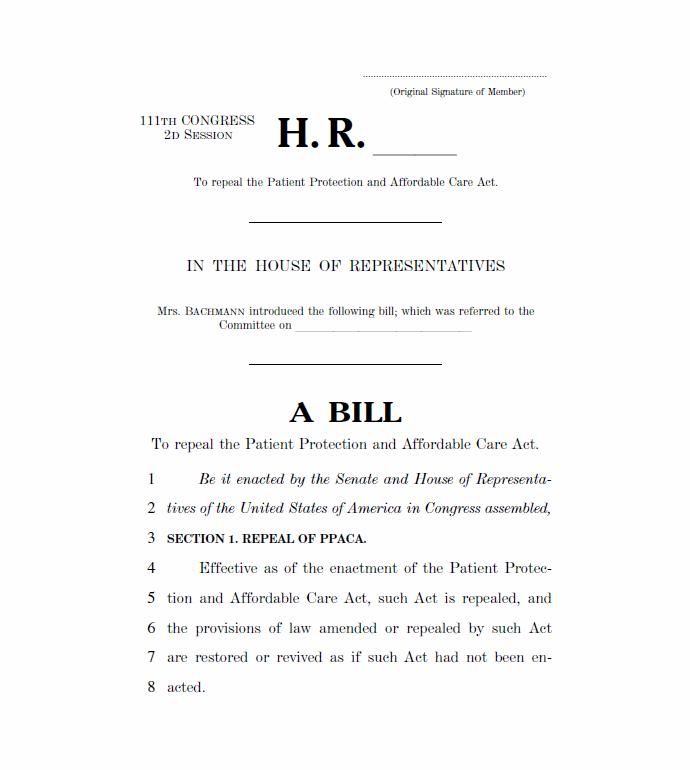
Bachmann Introduces Legislation to Repeal Health Care Bill
We are very proud of our conservative U.S. Representative Michele Bachmann. Thank you Rep. Bachmann for continuing the fight for the rights and freedom of the people of Minnesota and the people of this country. You are a true representative of the people.
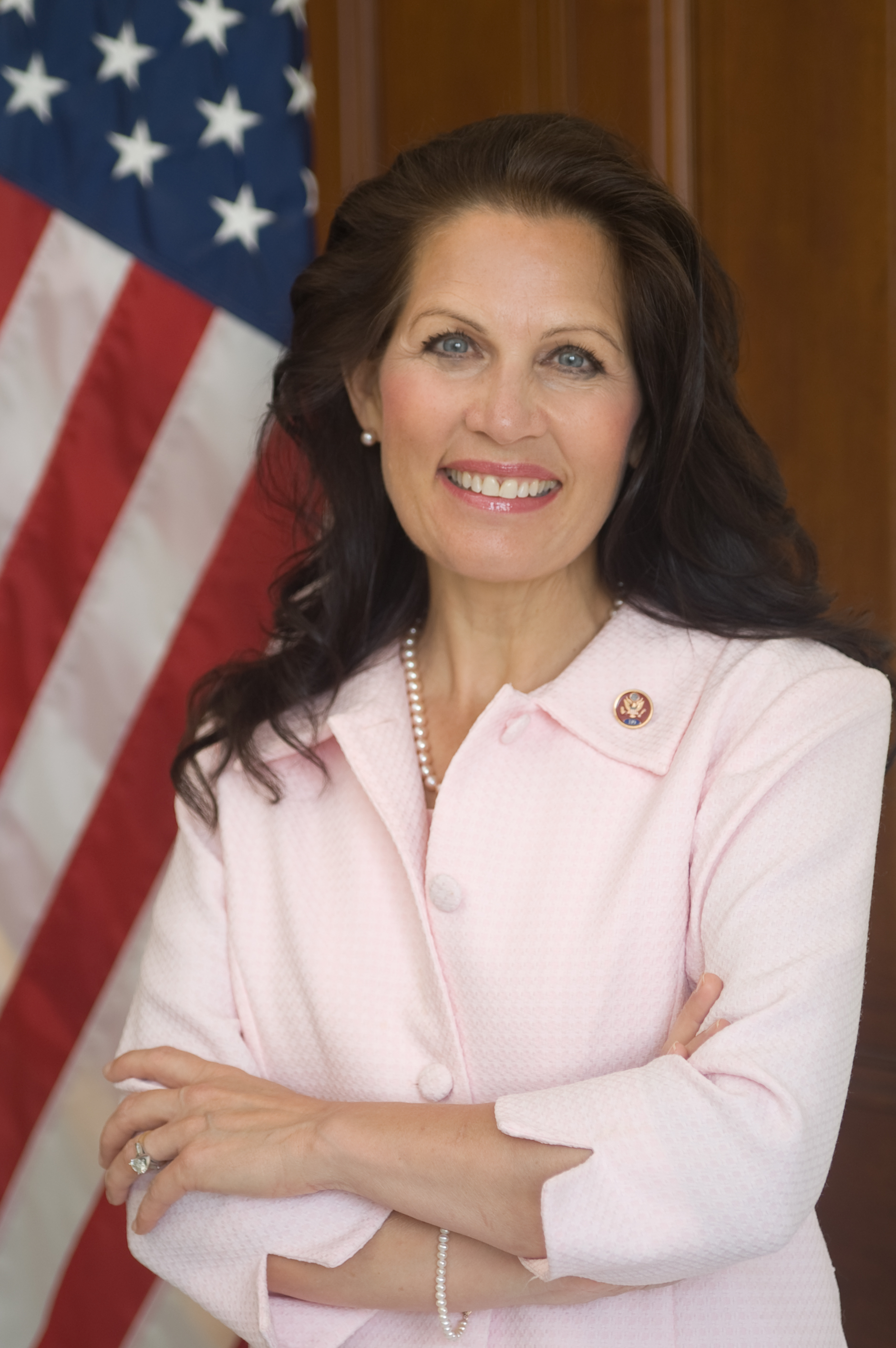
Bachmann Introduces Legislation to Repeal the Democrats’ Health Care Bill
Washington, D.C., Mar 22 –
U.S. Representative Michele Bachmann (MN-06) issued the following statement today after introducing legislation to repeal the Democrats’ government takeover of health care:
“It’s no secret, President Obama and Democrat leaders have ignored the will of the people and have chosen to ram through their trillion-dollar health care bill despite the American people’s overwhelming objection to it.
“It’s future generations, our children and grandchildren who will pay the price for our government’s arrogance and recklessness, and the American people won’t ever forget the irresponsible actions of this Administration and Democratic Majority. After all, government answers to the people, not the other way around. I’m asking my colleagues to join me in repealing this monstrosity of a bill.”